
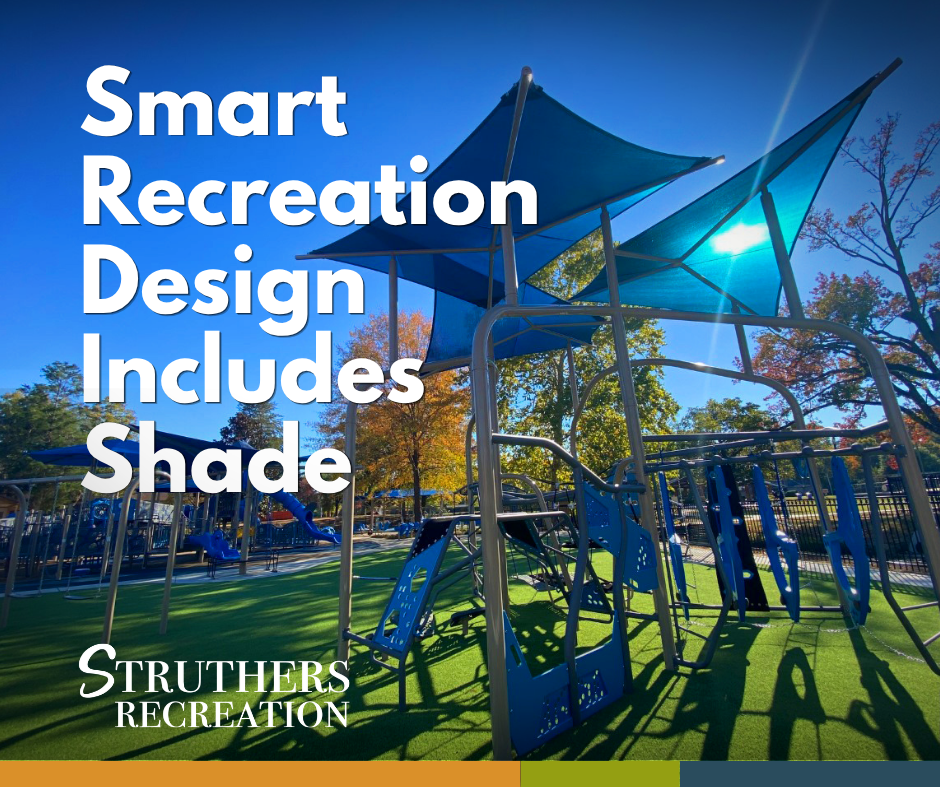
Why Shade Matters in Playgrounds and Recreation Areas
When people think about great playgrounds and recreation spaces, they often focus on exciting equipment, colorful designs, and inclusive features. But one of the most important elements of a successful outdoor space is often overlooked: shade.
From playgrounds and splash pads to outdoor fitness areas and gathering spaces, shade structures play a major role in comfort, safety, and long-term usability. As temperatures continue to rise across many regions, communities are recognizing that shaded recreation areas are no longer a luxury—they’re an essential part of creating spaces people can enjoy comfortably and safely.
Shade Helps Keep Play Areas Cooler
One of the biggest benefits of adding shade to a playground or recreation area is temperature reduction. Direct sunlight can quickly heat playground surfaces, slides, benches, and safety surfacing to uncomfortable — and sometimes unsafe — temperatures.
Modern fabric shade systems can reduce temperatures in covered areas by as much as 25 degrees Fahrenheit, helping keep both equipment and users cooler during warmer months.
Cooler environments encourage families to stay longer, children to play more actively, and visitors to use parks throughout more of the day instead of limiting use to early mornings or evenings.
Protection from Harmful UV Exposure
Shade structures also help reduce exposure to harmful ultraviolet (UV) rays. According to information shared by GameTime, their shade structures can block up to 97% of harmful UV rays.
This is especially important in spaces designed for children, who are often more vulnerable to prolonged sun exposure. Parents, caregivers, and community leaders are increasingly prioritizing outdoor environments that support both recreation and wellness.
Shaded seating areas, picnic spaces, and spectator zones can also improve comfort for adults supervising children or participating in community events.
Extending the Play Season
In many southern communities, playgrounds without shade can become difficult to use during peak summer temperatures. Adding shade structures helps extend the usable hours of the day and lengthen the recreation season overall.
Whether it’s a school recess area, neighborhood park, splash pad, or outdoor fitness court, shaded spaces remain more inviting during hot weather. Communities investing in shade are helping ensure their recreation spaces continue serving families even during the hottest months of the year.
Encouraging Longer, More Active Play
Comfort directly impacts how long people stay active outdoors. When recreation areas are cooler and more comfortable, children tend to play longer and adults are more likely to exercise or socialize outside.
GameTime notes that shaded recreation spaces encourage longer periods of activity and more frequent use of outdoor amenities.
That matters because outdoor recreation supports physical health, social interaction, and mental wellness for people of all ages.
Protecting Community Investments
Shade structures don’t just protect people — they also help protect the recreation equipment itself.
Continuous exposure to sun, heat, and weather can contribute to fading, surface wear, and long-term deterioration of playground and site amenities. Shade can help reduce heat stress on materials and extend the life of outdoor investments over time.
For municipalities, schools, HOAs, and developers, that means improved longevity and better long-term value from recreation infrastructure.
Creating More Comfortable Community Spaces
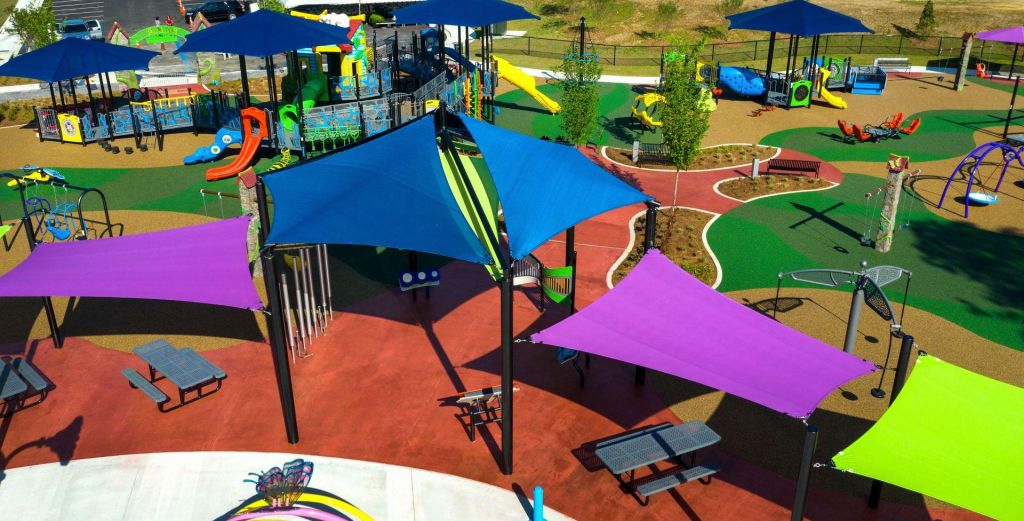
Today’s shade structures do more than provide coverage. Modern designs can complement the visual character of a park or playground while creating welcoming gathering spaces for families and communities.
From integrated playground shade and splash pad canopies to shaded picnic areas and outdoor fitness shelters, these structures help transform recreation areas into destinations people want to visit and use regularly.
As communities continue investing in healthier, more inclusive outdoor environments, shade has become one of the smartest and most impactful additions to parks and recreation spaces.
Why is shade important on a playground?
Shade helps reduce heat, block harmful UV rays, and create a more comfortable environment for children and families. Shaded playgrounds encourage longer play times and improve overall park usability during hot weather.
Do shade structures make playground equipment cooler?
Yes. Shade structures can significantly reduce surface temperatures on playground equipment, safety surfacing, benches, and gathering areas, helping make recreation spaces more comfortable and safer to use.
What are the benefits of playground shade structures?
Benefits include:
- Reduced UV exposure
- Cooler play surfaces
- Increased comfort for families
- Longer play opportunities
- Extended usability during summer months
- Protection for recreation investments
How do shade structures improve parks and recreation areas?
Shade structures help parks stay usable during warmer temperatures by creating cooler, more inviting environments for play, fitness, relaxation, and community gatherings.
Can shade structures help protect children from UV rays?
Yes. Many commercial shade structures are designed to block a high percentage of harmful UV rays, helping reduce sun exposure in outdoor recreation spaces.
Where should shade structures be installed in parks?
Shade structures are commonly installed over:
- Playgrounds
- Splash pads
- Picnic areas
- Seating areas
- Outdoor fitness spaces
- Spectator zones
- School recreation areas
Are shade structures a good investment for parks?
Yes. Shade structures help improve visitor comfort, increase park usage, and protect playground equipment and site amenities from prolonged sun exposure and weather-related wear.
What types of recreation areas benefit from shade?
Playgrounds, splash pads, sports spectator areas, outdoor fitness courts, schools, parks, HOAs, and community gathering spaces all benefit from added shade coverage.
