
How to Plan a Preschool Playground That Helps Little Learners Grow
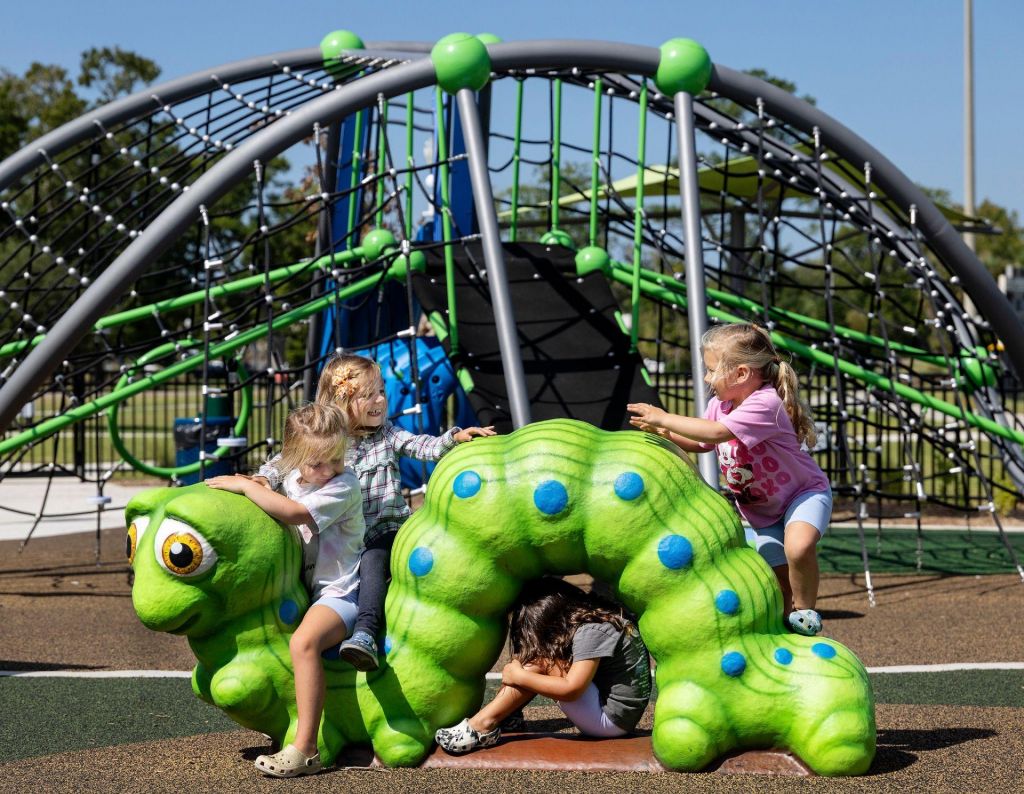
A great Preschool Playground isn’t a smaller version of an elementary play area. Preschoolers move, explore, communicate, and take on challenges in their own ways, so the environment should be planned around their developmental stage from the beginning.
That means looking beyond one large play structure. The strongest spaces combine active movement, sensory experiences, imaginative play, social interaction, quiet moments, and clear supervision into one connected environment.
What Does a Daycare Playground Need?
A Daycare Playground needs variety because young children rarely play in one way for long. A child may climb for a few minutes, join a pretend game, investigate a musical panel, and then move to a quieter activity—all during the same outdoor period.
Start by giving children several ways to be active. The CDC says children ages 3 to 5 should be active throughout the day, with caregivers encouraging movement through activities such as jumping and riding tricycles.
Climbers, slides, stepping activities, crawl-through components, and open areas can all support that goal. The right mix gives children choices rather than directing everyone toward the same activity.
It’s also important to think about how teachers and caregivers will use the space. Open sightlines, logical pathways, defined play zones, and convenient access from the building can make daily supervision and transitions more manageable.
The Struthers Pre-K Playgrounds team can help evaluate your available space, program needs, site conditions, and budget before equipment selections begin.
How a Pre-K Playground Supports Learning
A Pre-K Playground can act as an outdoor classroom without feeling like a classroom. Children learn through movement, repetition, conversation, experimentation, and imaginative play, and a thoughtful design creates room for all five.
The CDC notes that outdoor play gives children space to run, jump, and climb while practicing skills connected to movement, learning, language, and emotions. Those connections happen naturally when the environment invites children to make choices and play together.
For example, a storefront panel can start a pretend restaurant. A bridge may become part of an adventure, while a musical activity can encourage turn-taking, listening, and creative expression.
Look for opportunities to include:
- Low, approachable climbing challenges
- Ground-level activities and accessible routes
- Sensory and musical play components
- Imaginative play panels and gathering spaces
- Areas for wheeled play, games, and free movement
- Comfortable places to pause or play quietly
- Shade and seating for children and caregivers
These elements don’t have to occupy separate corners. An experienced designer can layer them into a cohesive plan that uses the site well and keeps activities connected.
When you’re ready to compare layouts and age-appropriate options, Struthers Pre-K Playgrounds offers local planning support for preschool, childcare, worship, and community settings.
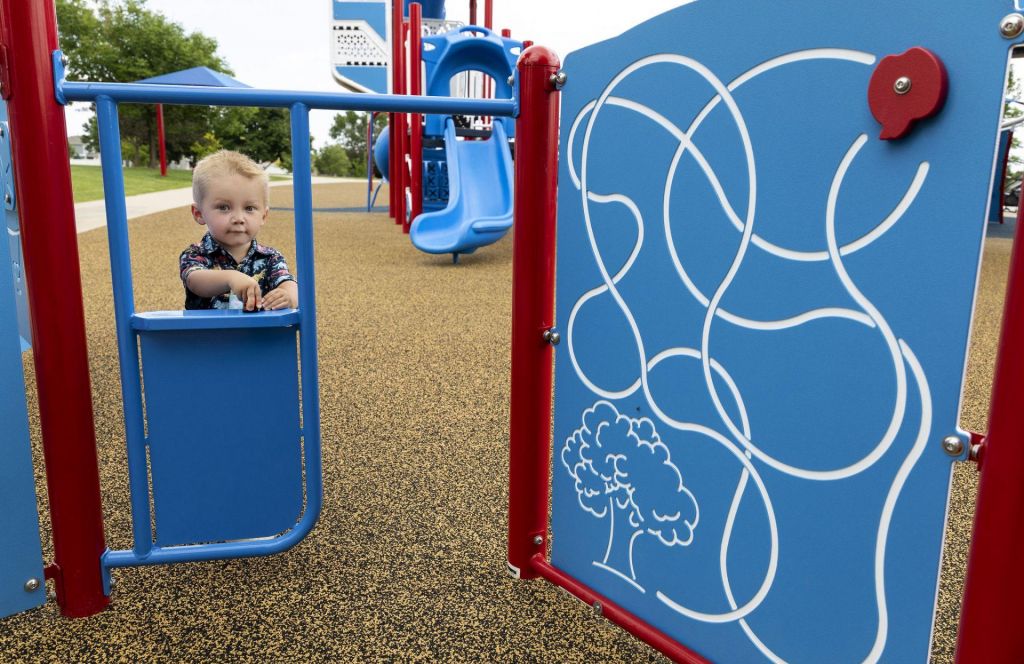
Planning an Early Learning Center Play Space
An Early Learning Center should begin planning with people, not products. Think about who will use the area, how many children may be outside at once, what teachers need for supervision, and whether different age groups require distinct zones.
Next, consider the complete site. Equipment is one part of the project, but surfacing, drainage, shade, fencing, access routes, seating, landscaping, and installation can shape how well the finished environment works each day.
Compliance should be part of the conversation from the first sketch. Applicable requirements can vary by age group, facility type, state licensing rules, accessibility needs, and local conditions, so it helps to involve qualified playground professionals early.
Budget planning works better when it follows the same whole-site approach. A clear project scope can help teams prioritize the most valuable play experiences now while leaving room for future additions.
Choose Experiences Before Choosing Equipment
It’s easy to begin with a catalog and ask, “Which structure fits?” A better first question is, “What do we want children to experience here?”
Maybe the program needs more gross-motor activity, cooperative play, sensory exploration, nature-based learning, or inclusive ground-level choices. Once those priorities are clear, equipment decisions become more purposeful.
CDC guidance for early care and education settings recommends adequate indoor and outdoor play space, multiple outdoor active-play opportunities each day when weather permits, and both child-directed and adult-led movement. A well-planned playground gives educators the flexibility to support each of those approaches.
A planning partner can also help balance those goals with space, schedule, budget, and long-term maintenance. Visit Struthers Pre-K Playgrounds to start organizing ideas before settling on a final design.
The best preschool play environments bring movement, sensory discovery, imagination, social connection, supervision, accessibility, compliance, and practical site planning together. Start with the children’s daily experiences, plan the entire site, and choose equipment that supports how your program teaches and cares for young learners.
