
The Benefits of Brachiating in Playground Play
Swinging from rung to rung on a set of monkey bars might look like simple fun—but it’s actually a powerhouse activity for developing strength, coordination, and confidence. This type of movement, called brachiating, engages the whole body and supports key areas of growth for children of all ages.
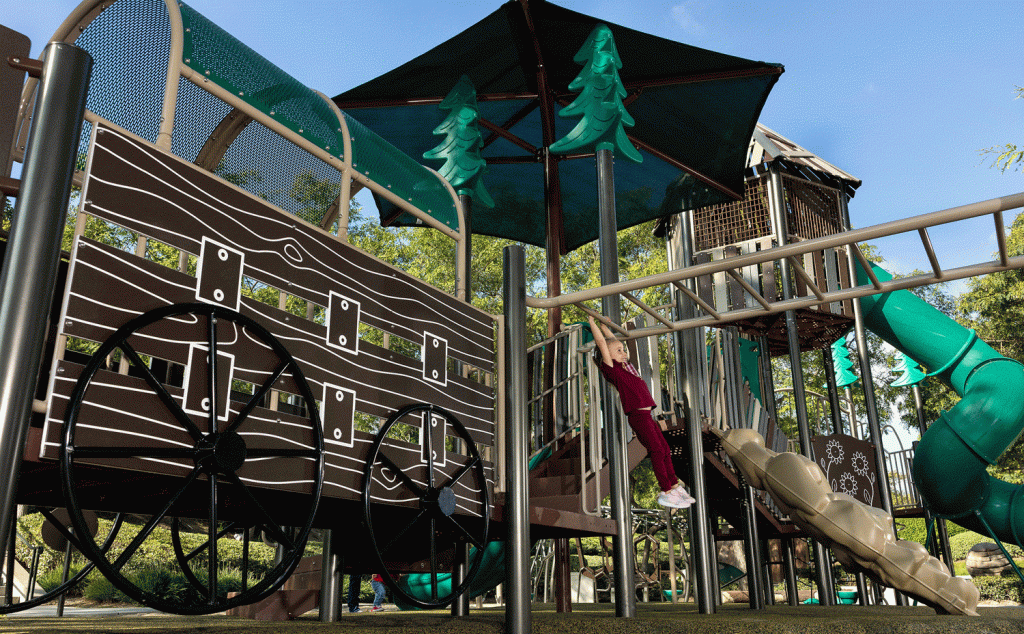
What Is Brachiating?
Brachiating refers to arm-over-arm swinging, like when children move across monkey bars or overhead ladders. It’s a natural way for kids to explore movement, test their limits, and build physical and mental resilience—all while having fun.
Physical Benefits
Upper Body and Core Strength: Gripping and lifting body weight develops shoulder, arm, and core muscles.
Grip and Hand Development: Improves fine motor skills and hand strength, supporting writing and daily activities.
Coordination and Balance: Helps children learn how to control body movement and rhythm while navigating space.
Cognitive and Social Benefits
Problem-Solving Skills: Each swing requires focus, timing, and decision-making to reach the next bar.
Confidence and Risk Management: Successfully crossing builds self-esteem and teaches safe risk-taking.
Inclusive Play Opportunities: With adaptive overhead equipment, children of varying abilities can experience the joy and challenge of brachiating.
Why It Matters
Playground designs that include overhead play components—like monkey bars, ring treks, or challenge ladders—encourage active, adventurous play. These elements don’t just build muscles; they build confidence, coordination, and lifelong habits for movement.
At Struthers Recreation, we design and install playgrounds that help kids grow stronger—physically, mentally, and socially—through play.
