
Splash Pad Season Is Here: How Communities Can Create Safe, Fun Summer Destinations
As temperatures rise and families look for ways to stay active outdoors, splash pads quickly become one of the most popular amenities in parks and recreation spaces. Easy to access, family-friendly, and designed for all ages, splash pads help communities create welcoming gathering spaces that encourage outdoor play throughout the summer months.
Unlike traditional pools, splash pads offer interactive water play with lower water depths and a variety of engaging spray features, making them an attractive option for parks, schools, neighborhoods, and community centers.
Why Splash Pads Continue to Grow in Popularity
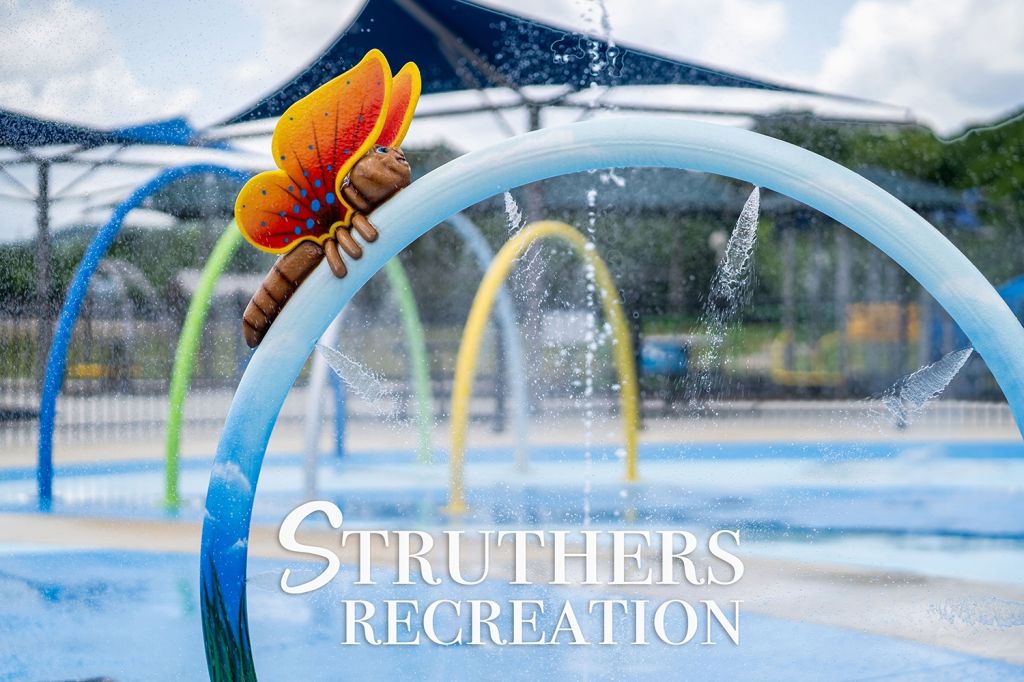
Communities across the country are investing in splash pads because they provide more than just summer entertainment. They help activate parks, encourage healthy outdoor activity, and create memorable experiences for families.
A well-designed splash pad can:
- Increase park visitation
- Encourage longer stays at community parks
- Create opportunities for social interaction
- Provide inclusive play experiences
- Offer a refreshing activity during hot weather
- Become a signature attraction for a community
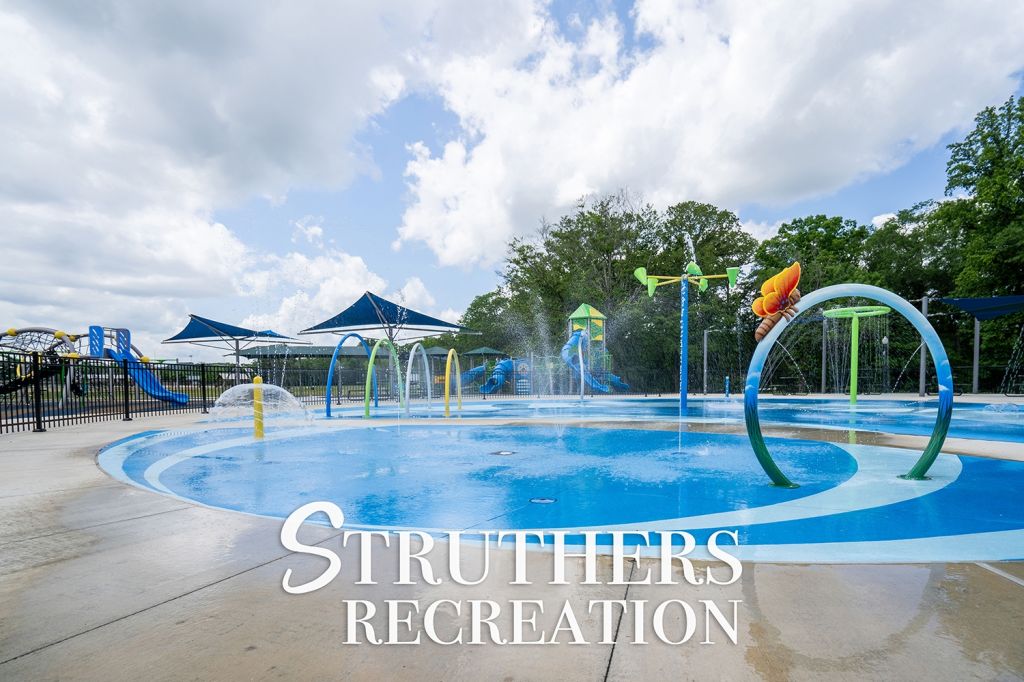
Many parks are also pairing splash pads with shaded seating, playgrounds, restrooms, and picnic areas to create all-day destinations for residents and visitors.
Features That Make Splash Pads Exciting
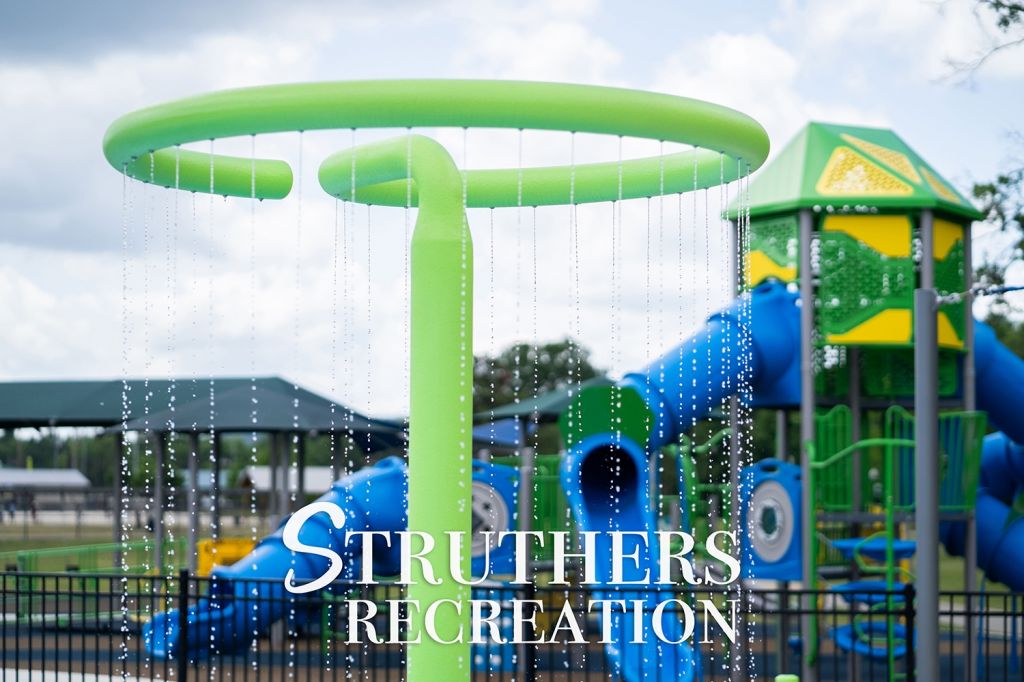
Modern splash pads include a variety of interactive features that keep children engaged and encourage imaginative play. Popular elements include:
- Ground sprays
- Dump buckets
- Water tunnels
- Interactive spray cannons
- Arch features
- Motion-activated play components
Colorful designs and themed elements can also help communities create unique experiences that reflect the character of the park or neighborhood.
Safety and Comfort Matter
As with any recreation space, thoughtful planning is important. Proper surfacing, drainage, visibility, and maintenance all contribute to a successful splash pad environment.
Communities should also consider:
- Shade structures for cooling and comfort
- Seating areas for caregivers
- Accessible pathways and play features
- Clear signage and operating guidelines
- Routine inspections and maintenance
Creating comfortable spaces for both children and caregivers helps encourage longer visits and a better overall park experience.
Splash Pads Help Build Community
One of the greatest benefits of splash pads is their ability to bring people together. During the summer months, these spaces often become gathering points where families connect, children stay active, and communities create lasting memories.
Whether added to an existing park or included in a new development, splash pads can provide long-term value by enhancing recreation opportunities and increasing community engagement.
As summer begins, now is the perfect time to think about how splash play can help activate parks and create fun outdoor destinations for families of all ages.
Let's Answer Some of Your Questions
What are the benefits of splash pads for communities?
Splash pads help communities create engaging outdoor recreation spaces that encourage physical activity, social interaction, and family-friendly summer fun. They can also increase park visitation and support inclusive play opportunities.
Why are splash pads popular in parks?
Splash pads are popular because they provide a safe, accessible, and interactive way for children and families to cool off during warm weather while enjoying outdoor recreation spaces.
What features should a splash pad include?
A well-designed splash pad may include interactive spray features, shaded seating areas, accessible pathways, proper drainage, safety surfacing, and nearby park amenities.
Are splash pads a good investment for parks?
Splash pads can provide long-term value for parks and recreation systems by increasing community engagement, encouraging park use, and creating attractive destinations for families.
How do splash pads encourage outdoor play?
Splash pads promote active outdoor play by combining movement, water interaction, and social experiences in a fun environment that encourages children to stay active during the summer.
